When a Brand Forgets Its Promise
Publix, customer trust, and the danger of drifting away from your promise
Click HERE to watch:
When a Brand Forgets Its Promise
Publix and the danger of drifting away from your promise
Brand Trust and Customer Loyalty in Modern Business
Publix Supermarkets quietly changed its open-carry policy in Florida stores. It went from “As of Sept. 25, 2025, Florida law allows the open carry of firearms. Publix follows all federal, state and local laws,” to now stating that only law enforcement officers can openly carry firearms inside stores.
The story spread online with people discussing what the change said about the company and what it meant for brand trust. And because every strong brand eventually reaches a point where its customers begin asking a deeper question:
“Does this still feel like the company I trusted?”
Read More: Answering the Question Nobody’s Asking
But First, a Story
When I was in 10th grade, I worked as a bag boy at Publix.
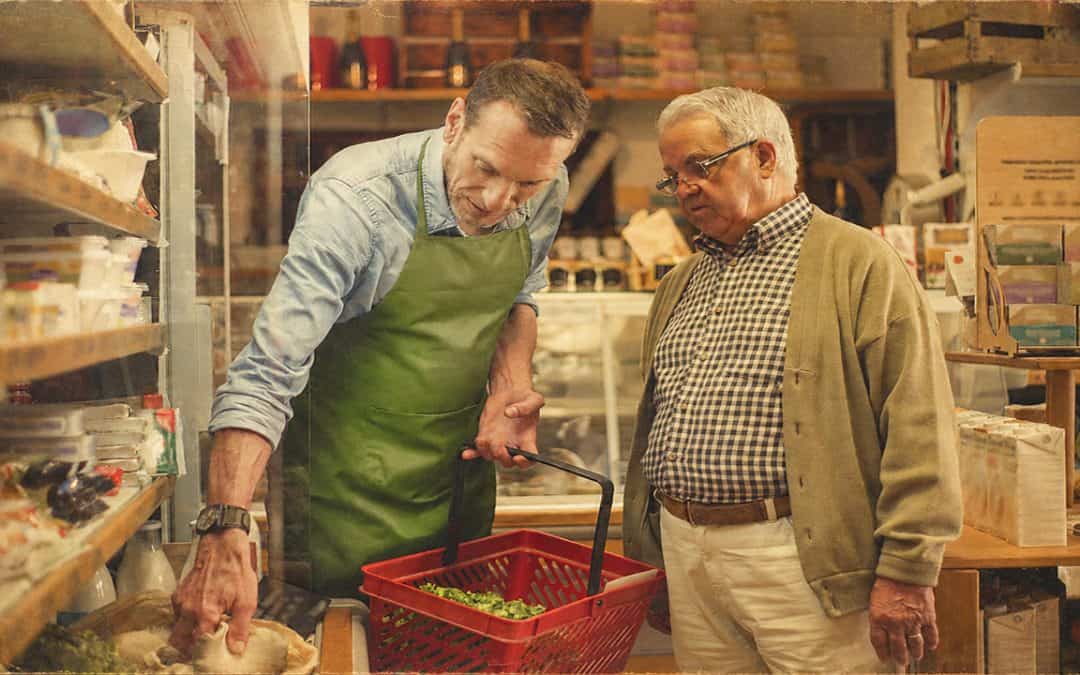
I can still remember how seriously we took our jobs. Managers wore ties and employees walked customers to their cars in the rain. If someone asked where the peanut butter was, we didn’t wave vaguely toward aisle seven. We escorted them there.
“Where Shopping Is a Pleasure” wasn’t merely a slogan cooked up in a conference room and pasted onto the shopping carts. The people in the stores believed it. And Publix built an extraordinary reputation because the customer experience scrupulously matched the promise.
For most of my life, Publix has been my grocery store. I grew up there, and I trusted the brand. I was satisfied and never thought about going anywhere else. At Publix, shopping truly was a pleasure.
Watch More: Creating One-of-a-Kind Experiences
How Emotional Connection Shapes Brand Value
But then Publix very publicly supported political candidates and issues that I profoundly disagree with. And the emotional connection I had with the company began to unravel, along with some of the brand trust that Publix had built with me over decades.
And it wasn’t just me. We’ve watched similar reactions happen with Bud Light, Disney, Target, Chick-fil-A, Cracker Barrel, and countless others. Because once customers form an emotional relationship with a company, they become highly sensitive to changes in its tone and behavior.
Why Customers Reevaluate Trusted Brands
The disconnect could be caused by an ideological disagreement. Or it could be due to a pricing issue, a customer service problem, or some other disappointment. But the deeper issue, and the one that can keep the brand from rescuing the relationship, is usually whether customers still feel the company is primarily focused on serving them.
Most people walk into a grocery store expecting fresh food, clean aisles, fair prices, and employees who treat them well. They want a safe, predictable experience that feels familiar and easy.
Customers want to feel that a company understands them, respects them, and remains focused on serving them well because that emotional consistency is what builds brand trust. But once people start sensing that the relationship has changed, they reassess it, and they start looking for other ways to meet their needs. Needless to say, the competition is always ready to offer an alternative.
That’s what happened to me.
At some point, I didn’t want to shop at Publix anymore. And with Whole Foods, Trader Joe’s, Milam’s, and Fresh Market popping up all over my neighborhood, the change was easy.
Financial reports show that while Publix has weathered the storm of its controversies quite well, they are facing increased competition and a declining brand satisfaction score. In fact, The American Customer Satisfaction Index now ranks Trader Joe’s ahead of Publix nationally. And this even though Publix has historically owned the “pleasant experience” positioning.
The Brand Trust Lesson Business Leaders Should Understand
That’s the part business leaders should pay attention to.
Brands are built slowly through repeated positive experiences, consistency, trust, and thousands of small moments where customers feel understood and appreciated.
How Companies Build or Lose Customer Trust
But disappointment compounds, too. And when emotional connection weakens, habits change quickly.
Ironically, I learned that lesson while bagging groceries after school all those years ago.
The employees who succeeded at Publix weren’t focused on politics, public positioning, or cultural commentary. They were focused on helping people have a pleasant experience inside the store.
It was both a simple idea and a powerful strategy for building long-term brand trust.
Great customer experience creates emotional familiarity, and emotional familiarity is what ultimately creates brand trust.
And it’s still one of the best branding lessons I’ve ever learned.
Customer Experience, Brand Messaging, and Long-Term Loyalty
If you’re planning a 2026 conference and want your audience to understand how emotional connection, trust, customer experience, and brand trust shape brand value, that’s exactly what I speak about through real stories and practical strategies your audiences can apply immediately.
Well said – both your article and your response. Bruce, you hone in on a “point” in your blogs better than most. I appreciate your focus.
Thank you Max. I appreciate your continued readership and your very kind words.
Hi Bruce,
Really on-target again. I also worked with Publix and at that time they were still special. Mister George was still involved in running the business. The changes/decline may also be the affect of management change and successions.
I haven’t been in a Publix since 2018 and I can honestly say that I don’t miss it. Too many other good options has made the boycotting easy.
Politics should have nothing to do with whether you like and enjoy the service provided.
Only liberals bring politics into everything in there lives.
This is expected from a big Coconut Grove lib like you!
You make an interesting point considering I mentioned Budweiser, Target, and Cracker Barrel, which were at least three brands that lost customer support based on issues that offended conservatives.
The point of my blog was not what my politics are, but rather, as you suggest, that there’s no place for them in business.
Glad we agree on that point, Tony.