Stop Using Animal Metaphors in Leadership Storytelling
Why frog, monkey, and elephant parables weaken storytelling in leadership
Click HERE to watch:
Leadership Storytelling and Animal Metaphors
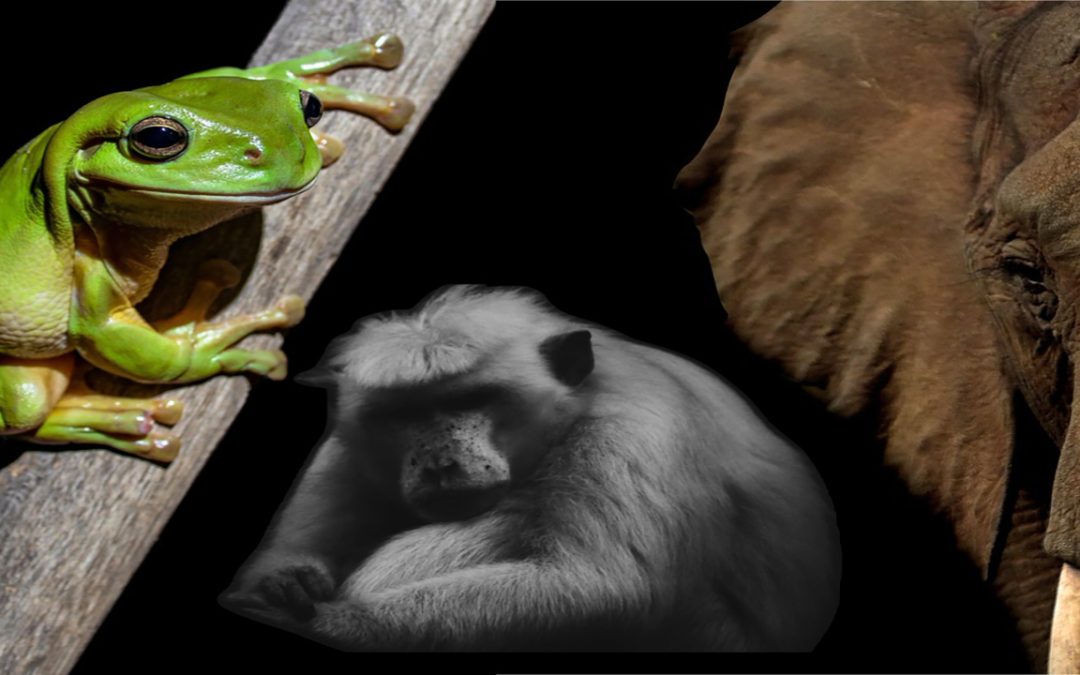
We all love a good metaphor. Frogs. Monkeys. Elephants. Leadership storytelling often leans on these animal parables because they sound memorable and feel clever.
But leadership storytelling should be the deliberate use of real experiences to clarify vision, align teams, and drive decision-making. It fails when leaders rely on oversimplified metaphors like the frog boiling myth or the elephant-eating parable, because those stories shrink complex human judgment into catchy, but misleading, slogans.
To be effective, leadership storytelling needs to reflect real decisions, real risk, and real complexity.
Why Leadership Storytelling Mistakes Start with Animal Metaphors
A tight parable turns something abstract into something concrete. That makes it easy to hear and easy to repeat. It also makes it shallow.
Animal metaphors travel well. They fit on slides, earn applause, and give the illusion of insight. But it’s only that; an illusion.
But first, a story:
The Frog That Knows When to Jump
You’ve heard the one about the frog. Drop it into a pot of cool water, slowly bring the heat up, and the frog will sit there until it boils. The moral? People stay in bad situations if things decline over time.
This frog boiling myth persists in leadership storytelling examples, even though the biological premise does not hold. Frogs aren’t that stupid. Zoologists tell us that frogs jump out the second the water gets uncomfortable. The metaphor doesn’t work for humans either because most of us notice when things start heating up, and we act.
The Monkey That Lets Go
Then there’s the tale of the monkey and the coconut. The story goes that hunters tie a coconut to a tree, drill a small hole in the shell, and fill it with rice. The monkey reaches in, grabs the rice, and can’t pull its fist out because it won’t let go of its prize. The lesson? People cling to small comforts while they miss out on big things like freedom.
Again, it’s simply not true. Real monkeys don’t hang around waiting to be caught for a measly handful of rice. When they sense danger, they cut and run.
The Elephant No One Eats
And then there’s the story about eating an elephant. Someone looks at a big project and sighs, “How will I ever get this done?” A well-meaning friend smiles and says, “Just think of it like you’re eating an elephant. How do you eat an elephant?” The answer: “One bite at a time.”
It sounds clever and maybe it even feels manageable. But really, when was the last time anyone you know ate an elephant? Or even tasted a piece of one?
What Real Leadership Storytelling Requires
Effective storytelling in leadership reflects choice, responsibility, and consequence. It acknowledges complexity instead of hiding behind tidy metaphors. Leaders who master storytelling in leadership development programs understand that credibility grows from truth, not slick stories.
People leave jobs. They launch companies. They change direction. They assess risk.
Leadership storytelling works when it mirrors those real decisions.
The Real Lesson Isn’t About Animals
Here’s the problem with these animal fables. They make it sound like we’re only ruled by instinct, or that life’s biggest challenges can be solved with a convenient little saying. Neither is true.
We have choices. We have imagination. We have courage. And most of our problems are complicated. Our solutions are not always perfect, but they’re usually far more effective than these old stories give us credit for.
The better lesson isn’t in the animal kingdom. It’s in us.
It’s in the choices we make and the stories we tell ourselves about staying, leaving, risking, or releasing. That’s where real change happens.
So the next time someone recites a parable about frogs, monkeys, or elephants, smile and move on.
After all, you’re not a metaphor.
The Story You Choose Next
Instead, ask yourself what story are you living by today, and is it the one that should guide you forward tomorrow and in the future?
You don’t need another animal metaphor to change the way you lead. You need to build value by crafting the right message that moves you and the people you lead into action. Strong leadership storytelling does more than inspire. It shapes culture, drives alignment, and influences how organizations make decisions under pressure.
That’s what I help audiences do.
If you’re planning your 2026 conference or annual meeting, let’s talk about a keynote that gets people thinking differently about the stories they’re living, and the ones they want to create next.
So interesting!! I learn from everyone of your posts. Thank you!!
Does that apply to my writing, designs and videos i make weekly on an Onion Character too? I need to unlayer the “layers” and no animals and just be ME? In my newsletter?
I wasn’t suggesting not to use animals nor eliminating metaphor. Simply that it’s time to abandon those old tired and untrue stories. That doesn’t seem like what you’re doing at all.