Being First Often Feels Exactly Like Being Wrong
Pioneer Premium, AI, and why acting early can feel exactly like being wrong.
Click HERE to watch:
Being First in Business Often Feels Exactly Like Being Wrong
I was watching Margin Call the other night when Jeremy Irons said something that made me hit pause.
Irons plays John Tuld, the CEO of a Wall Street investment bank that has discovered its exposure to rapidly devaluing assets could destroy the firm. When his department head asks him what they’re going to do, Tuld reminds him of something he says he told him from the beginning:
“There are three ways to make a living in this business: Be first, be smarter, or cheat.”
Tuld says he doesn’t cheat. And while he believes there are plenty of smart people in the building, he concludes that it’s a whole lot easier to be first.
As the movie unfolds, we discover what he means. Tuld decides they need to sell the declining assets immediately. Someone suggests they’re panicking.
Tuld corrects him:
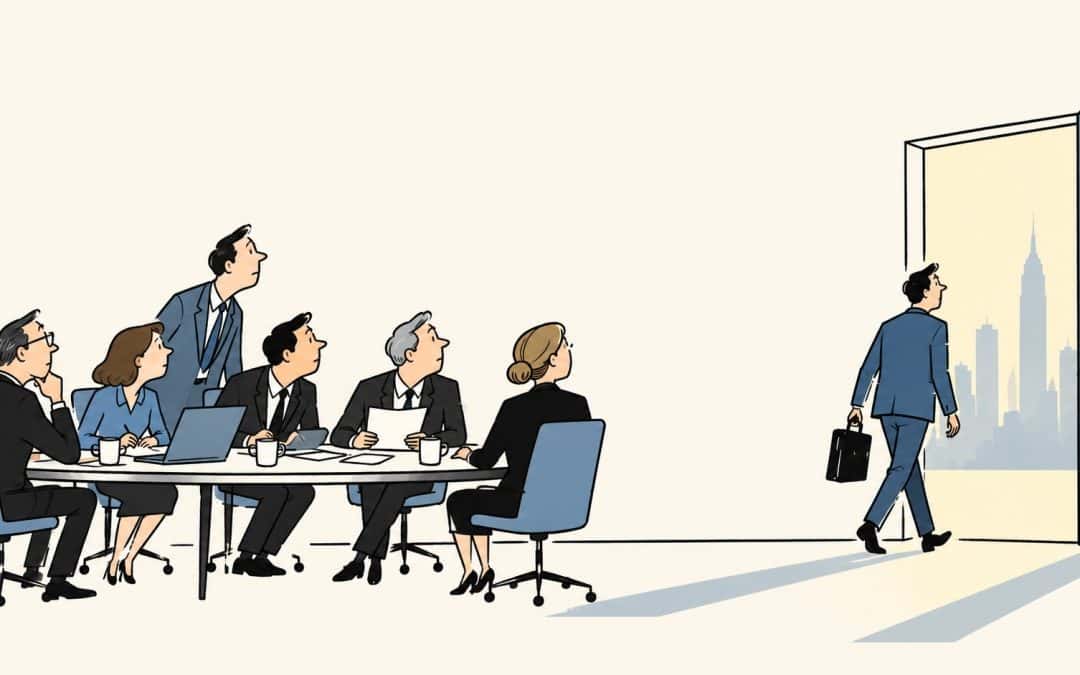
“If you’re first out the door, that’s not called panicking.”
Funny thing is, I wrote about almost exactly the same thing a couple of weeks ago.
But First, a Story
My blog was about the lettuce crisis that has been hammering restaurant chains across the country.
Customers heard about a Cyclospora outbreak linked to iceberg lettuce and started staying away from both lettuce and the restaurants that serve it. The fact that some of those restaurants didn’t buy from the implicated supplier, didn’t serve lettuce from Mexico, or didn’t even serve iceberg lettuce didn’t seem to matter very much.
Customers heard “lettuce” and “explosive diarrhea” and decided to eat something (and somewhere) else.
My suggestion was that one restaurant chain should recognize what its customers were actually thinking and simply remove lettuce from its menu until the crisis passed.
Make every restaurant a Lettuce-Free Zone.
This is called Pioneer Premium: the additional value available to the first company willing to recognize a meaningful change and act on it.
Now Jeremy Irons had given me another way to think about the same idea:
“If you’re first out the door, that’s not called panicking.”
What Does It Really Mean to Be First?
Being first doesn’t necessarily require you to invent something. Sometimes it simply means recognizing what’s happening before everyone else does and moving quickly enough to do something about it.
Every restaurant executive affected by the lettuce crisis read the same sales reports, watched the same news coverage, studied the same customer research, and saw the same declining traffic. The opportunity to add value came from recognizing what that information meant while there was still time to do something useful with it.
Which brings us to AI (although, these days, what doesn’t?).
What Happens When Everyone Knows Everything?
For most of history, acquiring information required time, expertise, research, consultants, analysts, libraries, experience, and money. Today, almost anyone can ask an AI platform for a competitive analysis, customer profile, market overview, strategic recommendation, product idea, or explanation of an industry they knew almost nothing about five minutes earlier.
And we’re only getting started.
As AI makes information and analysis increasingly available to everyone, access to information becomes less of a competitive advantage. Your competitors can access the same information and ask many of the same questions you can.
Your competitive advantage moves from having the information to recognizing what it means and deciding what to do about it while your opportunity is still available.
Which may be the real lesson hidden inside Tuld’s three-ways-to-make-money formula.
Why Does Being First in Business Feel Like Being Wrong?
Of course, recognizing something before everyone else does comes with a problem. When you look around for confirmation that you’re right, you may discover that nobody else sees what you see yet.
Your colleagues may think you’re overreacting. Your board may want more research. Your franchisees may complain that changing procedures is too difficult. Your finance people may want another quarter of data to analyze. Someone will almost certainly suggest waiting until everyone has a better idea of what’s happening.
And they might be right.
That’s what makes being early so difficult, because there’s no little light that flashes when an idea moves from premature to prescient.
Last week I asked how long opportunity waits around.
After watching Margin Call, I think there’s another question worth asking:
What Are You Seeing Before Everyone Else Does?
This is the work I do with leaders and organizations worldwide: helping them recognize what’s changing, understand what their customers really value, and turn those insights into messaging strategies that add value.
If your organization is dealing with a market that’s changing faster than the assumptions you built your business on, invite me in. Together, we can help your people see what’s coming and decide what to do about it.
Because being early often feels exactly like being wrong.
Until everybody else catches up.