The Tiny Gap Between Famous and Forgotten
What the London Marathon and Roger Bannister Teach Us About Branding, Value, and Why Some Stories Survive While Others Disappear
Click HERE to watch:
The Tiny Gap Between Famous and Forgotten
What the London Marathon and Roger Bannister Teach Us About Brand Storytelling, Value, and Why Some Stories Survive While Others Disappear
Every breakthrough creates a strange little tragedy.
First, someone changes history. And then someone else does almost the exact same thing.
Sadly, almost nobody remembers the second person.
Roger Bannister and the First Four-Minute Mile
But first, a story:
In 1954, Roger Bannister became the first human being to run a mile in under four minutes.
Why the Four-Minute Mile Seemed Impossible
It changed sports forever because people believed the human body simply couldn’t do it. Coaches said it was impossible. Doctors warned it was dangerous. Athletes chased it for years, only to fail.
And then Bannister did it.
The Runner History Forgot
When he did, someone crossed the line right behind him. But you don’t know who he was, do you?
That runner was John Landy. You don’t know his name because history compressed all the nuance into a single headline: Roger Bannister broke the four-minute mile.
The London Marathon and the Psychology of Winning
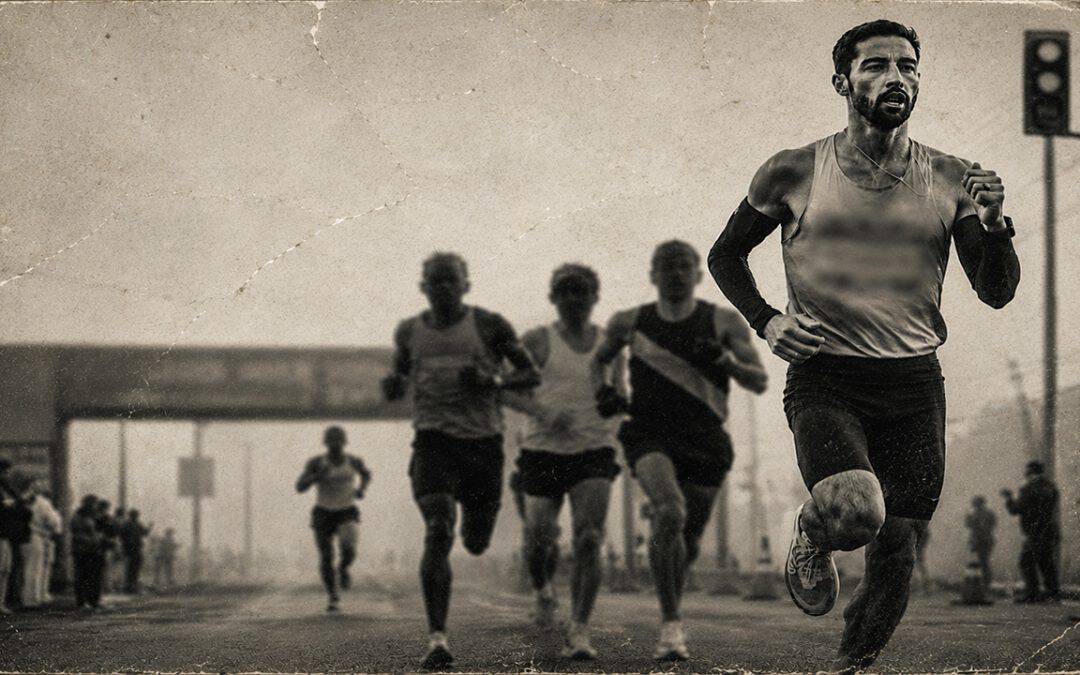
History repeated itself at this year’s London Marathon.
Breaking the Two-Hour Marathon Barrier
For years, the two-hour marathon stood as one of the last impossible barriers in endurance sports. Plenty of runners came close. None broke through under official race conditions.
But this year, two men did it.
The winner crossed first, and the second-place finisher crossed shortly afterward. Both accomplished something no human being had officially done before.
Why History Only Remembers One Name. The Tiny Gap Between Famous and Forgotten
But history doesn’t archive moments evenly.
It tends to remember the person standing on the highest step of the podium while everyone else slowly fades into footnotes.
That’s fascinating because the actual difference between first and second is often microscopic.
Milliseconds or fractions of inches.
And yet the difference in memory, fame, endorsement deals, speaking opportunities, and cultural permanence is enormous.
Why Human Beings Remember Stories Instead of Data
Why?
Because human beings don’t remember data. We remember stories.
And stories need protagonists.
That’s true in sports, business, and branding.
Read More: HBR – The Science Behind Stories
Branding, Narrative, and the Companies People Remember
Most industries are filled with companies whose products are nearly identical. The differences are often marginal. One airline seat is a hair width wider. One consulting firm responds slightly faster. One luxury condominium has a marginally better view.
But the market rarely rewards marginal superiority alone.
The Brands That Captured the Narrative First
The market rewards the company that successfully owns the story.
That’s why people remember brands that “changed everything,” even when dozens of competitors were working on similar ideas at the same time.
Mercedes didn’t invent the automobile.
Apple didn’t invent the smartphone.
Google didn’t invent online search.
Uber didn’t invent car services.
Tesla didn’t invent electric cars.
But they all became synonymous with the category because they captured the narrative first and most effectively.
Read More: Belief is the Only Thing That Builds Brands
Why Being Remembered Creates More Value Than Being First
Yes, being first matters. But being remembered matters more.
Because value is not created through performance. Value is created through meaning.
Read More: Creating a One-Of-A-Kind Experience
Branding Is Memory Architecture
That’s why branding isn’t decoration. It’s memory architecture.
The companies, speakers, leaders, and organizations that win in the long term are the ones that understand how to turn achievement into narrative before someone else does it for them.
How Organizations Create Emotional Ownership
That may sound unfair, and it probably is.
But understanding how human beings assign value has never been about fairness.
It’s about perception, meaning, story, and emotional ownership.
Of course, the finish line matters. But the story people tell afterward matters even more.
Read More: Actions Have Consequences
Why Your Brand Story Deserves to Be Remembered
If your organization is trying to stand out in a crowded market where your competitors seem interchangeable, your challenge may not be improving what you do.
Maybe your challenge is helping people understand why your story deserves to be remembered. That’s what I help my clients accomplish.
Great blog, Bruce. I’m sure you will get some speaking engagements from this one.
That’s why I write ’em, Stoney. Thank you.