800 Years Later, St. Francis Still Shows Us How to Live
Leadership Lessons From a Life Beyond Possessions
Click HERE to watch:
800 Years Later, St. Francis Still Shows Us How to Live
Leadership Lessons From a Life Beyond Possessions
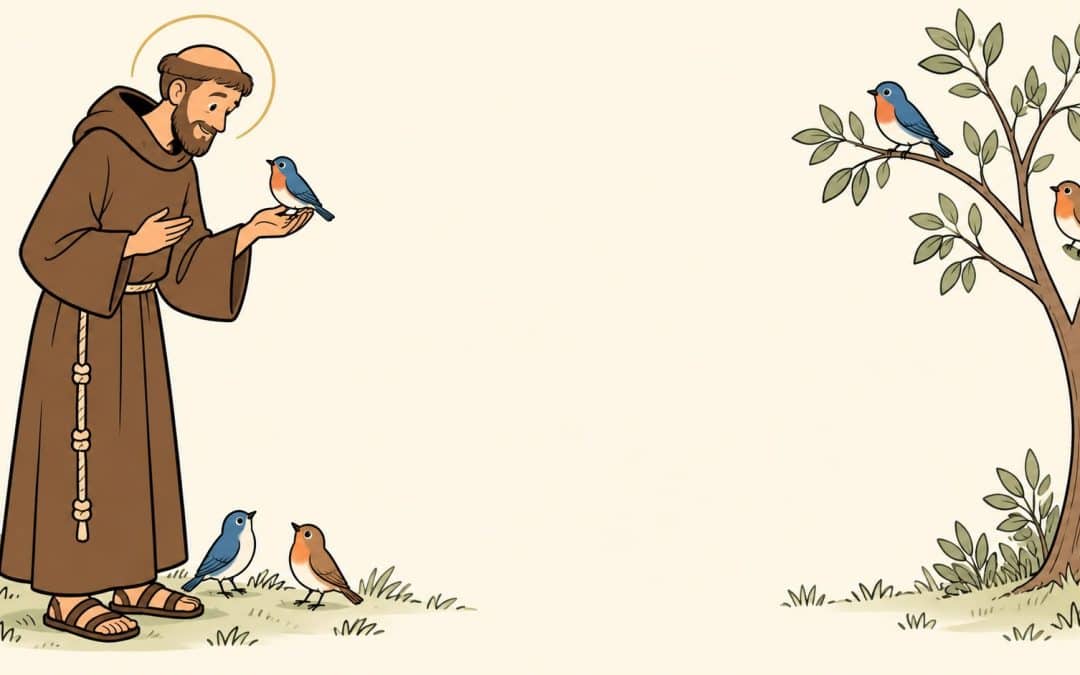
Eight hundred years ago this October, St. Francis of Assisi, a man whose name still evokes simplicity, humility, peace, and reverence for life passed away in a small Italian town.
The Enduring Signal of a Life Beyond Possession
When he died, he owned almost nothing. He left behind no empire and exercised no institutional power. Yet eight centuries later, his life still offers a remarkably relevant lesson about what we own, what owns us, and where real value comes from.
But First, a Story
A few years ago, I met a CEO whose company had grown quickly, with new offices, new hires, expanding markets, and increasing revenue. By every external measure, he had achieved exactly what founders are expected to achieve.
He was also exhausted.
He told me that his days had become consumed by internal politics, organizational complexity, and expectations that multiplied along with the business. The creative work that had energized him had gradually been replaced by managing everything he created.
At one point he leaned forward, lowered his voice, and said, “I goal was to be free. Now all this owns me.”
I’ve heard variations of that sentiment from entrepreneurs, executives, creatives, and retirees. We build things to improve our lives and then discover how easily maintaining them can become our lives.
Francis and the Timeless Human Tension Between Identity and Ownership
Francis understood that problem 800 years ago.
He grew up in a prosperous household with a future defined by wealth, trade, and social standing. Over time, he recognized how easily possessions, reputation, and obligations can become intertwined with identity. Eventually, maintaining what we have begins to determine what we do.
Francis chose another path. He organized his life around simplicity, presence, relationships, and service.
Few of us will follow him into voluntary poverty, nor do we need to. But his life is useful because it raises a much more practical question:
Do the things we have serve our lives, or have our lives become organized around serving the things we have?
It’s a surprisingly modern idea.
A Worldview of Interconnection That Anticipates Modern Systems Thinking
Francis also saw the world as interconnected. In his poetry, he addressed the sun, moon, water, fire, animals, and even death as members of one shared household.
Eight centuries later, we use different language to describe the same basic observation: everything affects everything else.
Modern Anxiety, AI, and the Fear of Losing Human Value
Our possessions affect our obligations. Our obligations affect our time. Our time affects our relationships. Our relationships affect our sense of meaning and well-being.
Which means the question isn’t whether achievement, success, or material comfort are worthwhile. The more useful question is what role they play in the lives we’re trying to create.
Francis’ Experiment in Simplicity and Psychological Freedom
Francis did not set out to become influential. He tried to live according to what he believed mattered.
Perhaps that is why his influence has lasted.
Alignment, Coherence, and Value Creation Eight Centuries Later
Eight hundred years after his death, we remember a man who owned almost nothing because of what he gave to the people and world around him.
Maybe the things that ultimately define our lives aren’t the things we accumulate.
Maybe they’re the value we create while we’re here.
Creating Value Through Presence, Leadership, and Brand
If you’d like to explore how greater clarity and alignment can add value to your leadership, communication, and brand, let’s chat. My keynotes and workshops help people understand what they stand for, why it matters to others, and how to put those ideas to work.
I had the honor of visiting his grace in Assisi this past summer. AMAZING sense of peace while we walked the site.